

SPEAKIN’ OUT NEWS
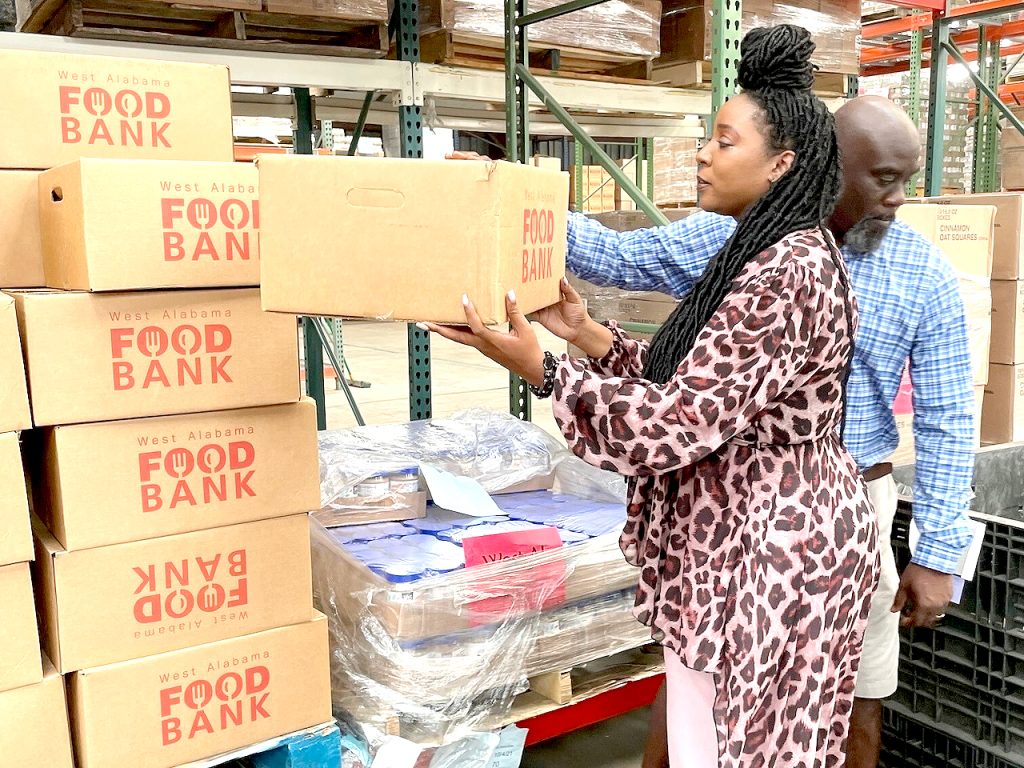
MONTGOMERY, AL — A wave of “great concern” is sweeping through Alabama’s food banks as recent and anticipated cuts to the Supplemental Nutrition Assistance Program (SNAP) threaten to significantly deepen food insecurity across the state.
Community leaders say local food assistance providers — already stretched thin — are preparing for a surge in demand that could leave thousands more Alabamians struggling to put food on the table.
For many low-income families, seniors, and individuals, SNAP benefits serve as a lifeline, providing critical support to buy groceries. But provisions in recent federal legislation, including key elements of the so-called “One Big Beautiful Bill Act,” will shift a greater portion of SNAP costs and administrative burdens onto states like Alabama.
Analysts warn that this shift could add hundreds of millions of dollars in new expenses to the state budget. If those costs aren’t fully covered, it could result in substantial benefit reductions — or even complete loss of assistance — for nearly 800,000 Alabamians who rely on SNAP.
Rising Need Already Straining Resources
Food banks across the state, from North Alabama to the Black Belt, are already seeing rising demand. Linda Jones, co-founder of Alabama Childhood Food Solutions, reports a 30% increase in need over the past year, with the number of families served doubling overall.
“It’s just growing by leaps and bounds,” Jones said. “If these cuts go through, we expect the need to double again — and we’re not sure we’ll have the resources to keep up.”
The Food Bank of North Alabama and the Community Food Bank of Central Alabama are also sounding alarms, noting that they are distributing record amounts of food each month while struggling to keep up with demand.
Growing Financial Burden on Alabama’s Budget
Alabama officials have been preparing for the fiscal impact:
• By fiscal year 2027, the state faces an expected $39 million increase in administrative costs due to federal changes.
• If the state’s payment error rate remains unchanged from its 2024 level (~8.3%), costs could balloon by another $177 million in 2028.
(Source: Alabama Reflector)
Local Concerns Raise Red Flags
Advocacy groups and state officials warn these shifts could force tough budget decisions:
• Alabama’s Department of Human Resources (DHR) is actively monitoring developments amid growing concern.
• Analysts estimate the state could be required to pay up to 15% of SNAP benefit costs, potentially creating a daunting financial burden.
(Sources: Greene County Democrat, Alabama Reflector, Alabama Daily News)
Broader Impacts on Food Security
Local reporting underscores the ripple effects:
• Rising grocery prices and changing eligibility criteria are already making it harder for low-income families to access food assistance.
• In some regions, food banks are reporting record demand, sometimes surpassing their capacity to help.
Economic Ripple Effects
Advocacy groups like Alabama Arise emphasize that cuts to SNAP extend beyond hurting individuals — they also impact the state’s economy. Thousands of local grocery stores, markets, and farmers’ markets that accept SNAP would see reduced revenue, hitting rural areas particularly hard.
According to the USDA, food insecurity already affects 14% of Alabama households, a rate well above the national average. Reducing SNAP benefits, experts say, will only widen the gap, forcing more people to turn to already overburdened food banks.
A Call to Action
Local food banks are urging residents to help bridge the gap through:
• Donations of non-perishable goods and fresh produce
• Financial contributions to support bulk food purchasing
• Volunteering time to sort, pack, and distribute food
• Hosting food drives at schools, workplaces, and faith communities
“We can’t do this alone,” Jones stressed. “We need the entire community to step up — because hunger doesn’t just affect those who are struggling, it affects us all.”