

By Paul Gattis
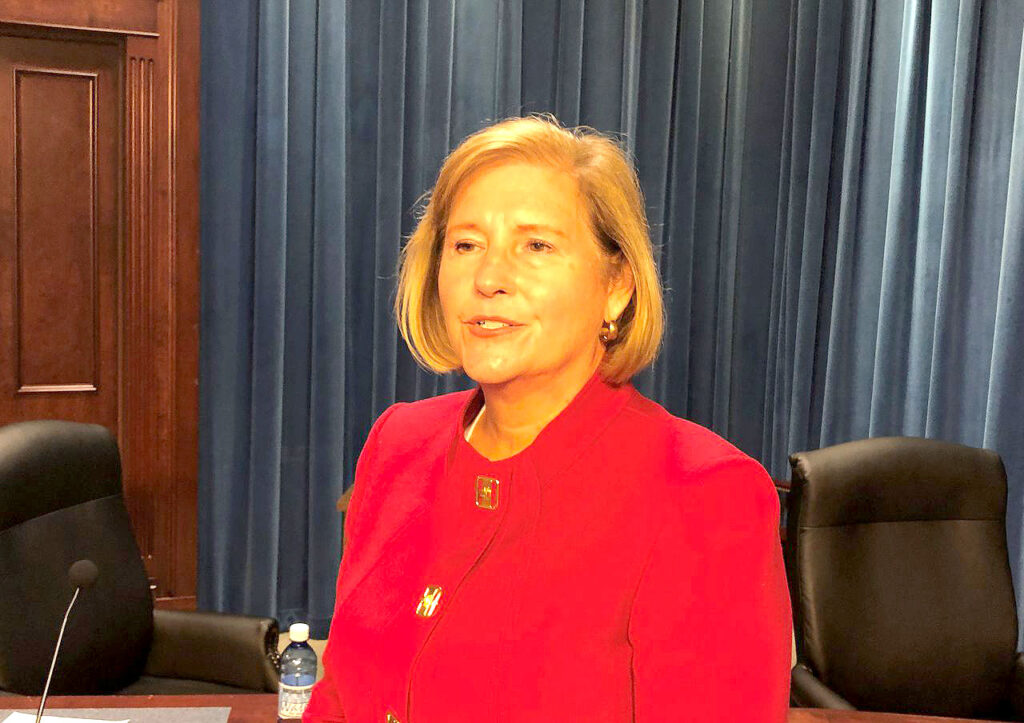
The Huntsville city council, as part of what President Jennie Robinson described as a “wholesale” update of the body’s bylaws, voted Thursday to push some public comments to the end of the meeting from their longstanding place on the agenda near the beginning of meetings.
Following a 4-1 vote to approve changes to the bylaws at Thursday’s meeting, public comments not related to items on the council’s agenda will be heard after the agenda is completed.
Robinson said it was an effort to improve the efficiency of the meeting and complete the business of the council earlier in meeting. Currently, all public comments are held near the beginning of the meeting with a second window for public comments at the end of the meeting.
Some people who regularly address the city council during public comments, usually pertaining to issues regarding the police department, told the council Thursday night that the change was an effort to curtail their voice because the council did not want to hear about the issues they were raising. One speaker raised the issue of the lack of late night bus service in Huntsville as a potential obstacle to address the council.
The city also took the unusual step of issuing a press release Thursday prior to the meeting to “clarify” the proposed changes to public comments.
Over the past year, following protests over the death of George Floyd, public comments at council meetings have at times become charged with dozens of people addressing the council with up to three minutes for their statements. Grassroots groups such as the Citizens Coalition for Criminal Justice have used public comments as a platform to push for police reform.
The result is that because those comments are heard near the beginning of the meeting, at times the city council is discussing and voting on business-related issues at 10 p.m. or later. Robinson said that is unfair to city employees who are required to attend meetings to advise, inform or make presentations to the council about agenda items prior to votes. Stakeholders outside of city employees also may be in council chambers until late at night awaiting votes, Robinson said.
“We have a lot of business to be done by this city,” she said. “We have a lot of people who have an interest in that business, whether it’s the staff or contractors or community organizations that work with the city or the media or the people watching at home who just want to know what we’re doing with their taxpayer dollars.
“They don’t want to wait until so late into the night to see this city’s business done.”
The change adopted by the city council, which will go into effect in October, will allow public comments pertaining to agenda items only near the beginning of the meeting. Public comments not related to agenda items will be heard at the end.
Councilmen Devyn Keith and Bill Kling spoke against the change to public comments.
“To tell the public they are subjugated to a certain part because we deemed the perceived impact of their presence being negative to the structure of the government or the efficiency of this night is not right,” said Keith, who successfully added an amendment to the bylaws that permitted those interesting in speaking to the council to contact the council office the day of meetings to sign up instead of arriving before the meeting starts to sign the speaking roster.
Kling cited police issues the council is dealing with and “diminishing the importance” of public comments by moving them to the end of the meeting is “not the message we need to send right now.” He further described it as “a step backward.”
Kling cast the lone dissenting vote in approving the overall changes to the council bylaws.
In 2020, the council moved up the start of its meetings by 30 minutes to 5:30 p.m. in an effort to complete work earlier. Robinson also cited research done by the city administration that indicated cities across Alabama and the South generally reserve public comments until the end of meetings.
When Keith noted that having public comments around 9:30 p.m. at each meeting would inevitably reduce the number of speakers, Robinson said that the council usually completes its business in 1½ to 2 hours, which would allow non-agenda public comments to begin around 7 or 7:30 p.m.
Robinson said there are other means to communicate with the council beyond speaking at public comments – including one-on-one meetings or phone calls or emails. Keith said in-person meetings are not practical for people who want to share a message to the entire council.